
Vitamin-Rich Foods for Prostate Care
Discover the essential nutrients and dietary strategies that support prostate health through evidence-based nutrition. Learn which foods, vitamins, and minerals play a crucial role in maintaining optimal wellness.
Research-Backed Nutritional Insights
7+ Key Vitamins
Essential nutrients scientifically linked to prostate wellness and cellular health.
Antioxidant Power
Plant-based compounds that support cellular protection and reduce oxidative stress.
Cardiovascular Support
Foods that promote blood flow and vascular wellness, vital for overall health.
Mineral Balance
Zinc, selenium, and other minerals essential for robust bodily function.
Top Prostate-Supporting Foods

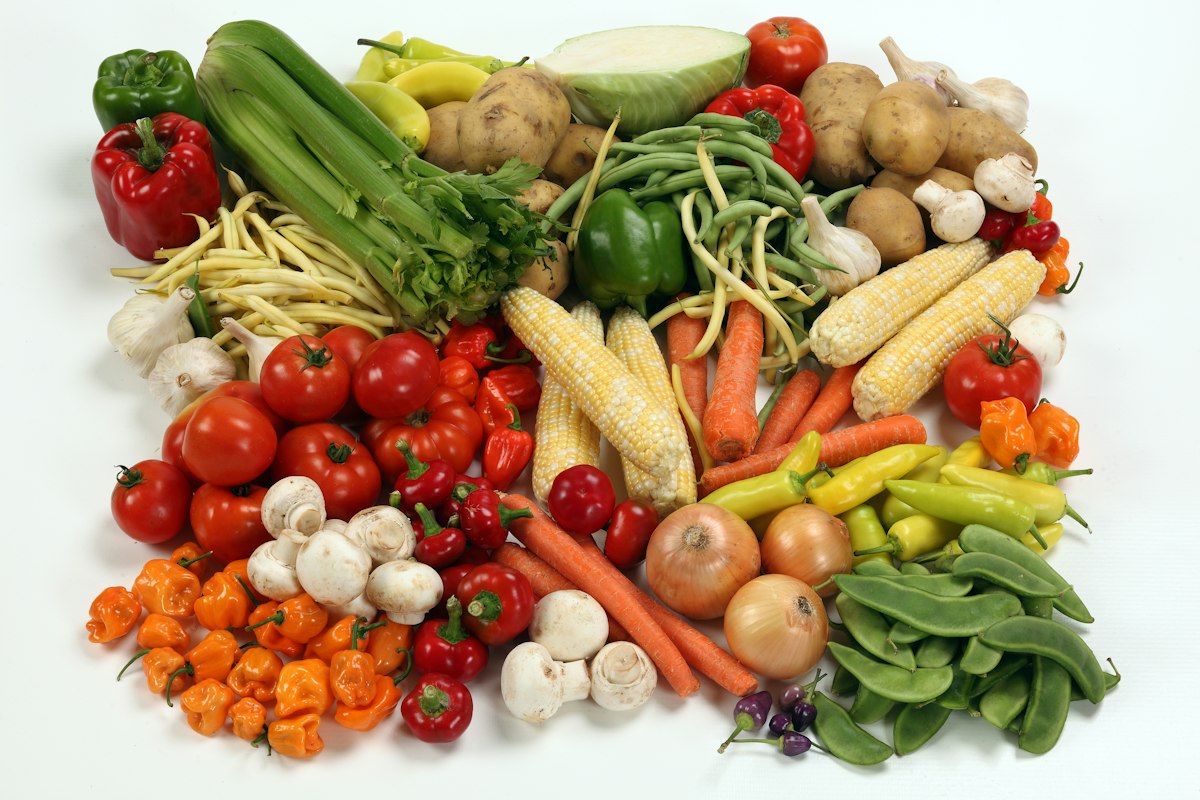
Tomatoes & Tomato Products
Lycopene-rich foods that support cellular wellness and provide powerful antioxidant benefits.
Pumpkin Seeds
Excellent source of zinc and other minerals that support urinary and reproductive wellness.

Fatty Fish (Salmon, Sardines)
Omega-3 fatty acids that promote cardiovascular and cellular wellness.

Berries (Blueberries, Raspberries)
Packed with anthocyanins and polyphenols that provide robust cellular protection.

Cruciferous Vegetables
Broccoli, cauliflower, and Brussels sprouts containing sulforaphane and other bioactive compounds.

Nuts & Seeds
Brazil nuts and walnuts providing selenium, vitamin E, and essential minerals.
Essential Vitamins for Prostate Wellness
Vitamin E
A fat-soluble antioxidant that protects cells from oxidative damage. Found in nuts, seeds, and vegetable oils.
- Cellular protection
- Supports immune function
- Anti-inflammatory properties
Vitamin D
Regulates calcium absorption and supports cellular wellness. Produced by sunlight exposure and found in fatty fish.
- Bone health support
- Immune system regulation
- Cellular differentiation
Selenium
An essential mineral that works as an antioxidant. Found in Brazil nuts, fish, and whole grains.
- Antioxidant enzyme production
- Thyroid hormone metabolism
- DNA synthesis support
Zinc
Critical for immune function and protein synthesis. Concentrated in pumpkin seeds, oysters, and legumes.
- Immune cell development
- Protein and DNA synthesis
- Wound healing support
How Antioxidants Support Prostate Health
Antioxidants are compounds found in plant-based foods that help neutralise free radicals — unstable molecules that can damage cells. Oxidative stress has been linked to various age-related changes in the body, making antioxidant-rich foods a cornerstone of nutritional wellness strategies.
Key antioxidants like lycopene (found in tomatoes), polyphenols (in berries), and carotenoids (in colourful vegetables) work synergistically to support cellular health and promote overall vitality.
The Antioxidant Arsenal
Lycopene
Found in red tomatoes, watermelon, and pink grapefruit. Provides cellular protection.
Anthocyanins
Present in berries, purple cabbage, and red wine. Support vascular wellness.
Catechins
Abundant in green tea and dark chocolate. Promote metabolic wellness.
Sulforaphane
Found in cruciferous vegetables. Supports cellular defence mechanisms.

Learn More About Nutrition for Wellness
Browse our comprehensive articles and guides to deepen your understanding of how nutrition supports prostate health and overall vitality.
Read Our GuidesFrequently Asked Questions
The most beneficial sources include fatty fish (salmon, sardines) for vitamin D and omega-3 fatty acids; nuts and seeds (especially Brazil nuts and pumpkin seeds) for selenium and zinc; leafy greens for folate; and colourful vegetables for carotenoids and polyphenols. A varied, plant-forward diet incorporating these foods provides comprehensive nutritional support.
Real Stories from Our Readers
"After reading the articles about lycopene and tomato products, I started incorporating more tomato-based dishes into my weekly meals. Combined with adding pumpkin seeds to my snacks, I feel noticeably more energetic. The information was clear and practical — not overwhelming at all."
David Mitchell
Manchester, UK
"The vitamin guides helped me understand which foods actually matter for wellness. I swapped my regular snacks for Brazil nuts and started eating more cruciferous vegetables. The articles about antioxidants made everything click for me — now I genuinely understand why I'm making these choices."
James Richardson
Edinburgh, UK
"The lycopene content in these vegetables has genuinely helped me. Combined with a healthy lifestyle, I've noticed real improvements in my health markers. Highly recommended for anyone serious about prostate wellness."

Michael Chen
Toronto, Canada
Ready to Take Control of Your Prostate Health?
Start incorporating prostate-care vegetables into your diet today and experience the natural benefits of nutrient-rich, whole foods.
Frequently Asked Questions
How quickly will I see health improvements?
Most people notice improvements in energy levels and general wellness within 2-4 weeks of consistent dietary changes. However, specific prostate health markers may take 8-12 weeks to show measurable improvement. Individual results vary based on overall lifestyle, age, and existing health conditions.
Are these vegetables suitable for all ages?
Yes, prostate-care vegetables are beneficial for all ages. For younger men, they serve as excellent preventive measures. For older men, they support ongoing prostate health maintenance. Children can also benefit from the overall nutritional value, though portions should be age-appropriate.
Can I take supplements instead of eating the vegetables?
While supplements can support your health, whole vegetables provide additional fiber, minerals, and phytonutrients that supplements alone cannot replicate. The synergistic effect of all nutrients working together in whole foods is more effective than isolated compounds. We recommend whole vegetables as your primary source with supplements as a complement.
Should I consult my doctor before changing my diet?
Absolutely. If you have existing health conditions, take medications, or have dietary restrictions, it's essential to consult with your healthcare provider before making significant dietary changes. This ensures the dietary modifications work well with your current treatment plan and health status.